
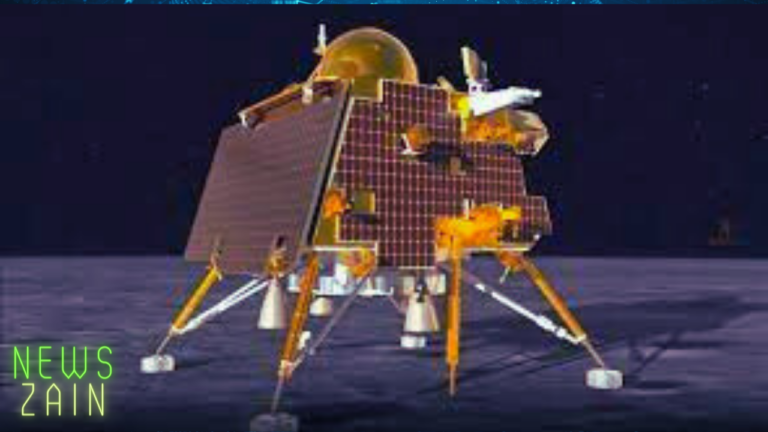
The South Pole of the Moon is a very challenging place to land. Following are some of the challenges:
- The terrain is very rugged, with many potholes and mountains.
- The temperature is very cold, reaching -290 degrees Fahrenheit.
- Sunlight is very weak, with only 12 hours of daylight per day.
- The atmosphere is very thin, making it difficult to breathe and communicate with Earth.
- Despite these challenges, there are also many opportunities for exploration at the Moon’s south pole. Following are some of the opportunities:
The Moon’s south pole is thought to be a good place to find water ice, which could be used as a resource for future exploration.
The south pole of the Moon is also considered a good place to study the geology and mineralogy of the Moon.
The Moon’s south pole is also considered a good place to look for signs of life.
The Chandrayaan 3 mission will face many challenges, but it also has the potential to make important discoveries. The success of the mission will help advance our knowledge of the Moon and pave the way for future exploration of this fascinating world.
Here are some additional details about the challenges and opportunities of landing on the Moon’s south pole:
- The rugged terrain makes it difficult to land the spacecraft safely. The lander and rover have to be very precise in their navigation and landing.
- Cold temperatures can damage equipment and pose a risk to human health. The lander and rover should be well insulated and have heating systems to keep them warm.
- Weak sunlight makes it difficult for the lander and rover to generate electricity. The lander and rover would have to use solar panels or other forms of power generation.
- The thin atmosphere makes it difficult to communicate with Earth. The lander and rover must use high-gain antennas to communicate with Earth.
- Despite these challenges, the Moon’s south pole is an area of great scientific interest. The presence of water ice, the potential for life and the region’s unique geology make it a valuable target for exploration. The Chandrayaan 3 mission is a significant step forward in our understanding of the Moon and has the potential to make many important discoveries.